Local trade businesses
Why Your Technicians Aren't Capturing Job Details That Customers Actually Want
Your team collects data on every job. But they're missing the one thing that turns a one-time repair into a contract renewal.
· 4 min read · Lead capture · Customer data · Service operations · Repeat business
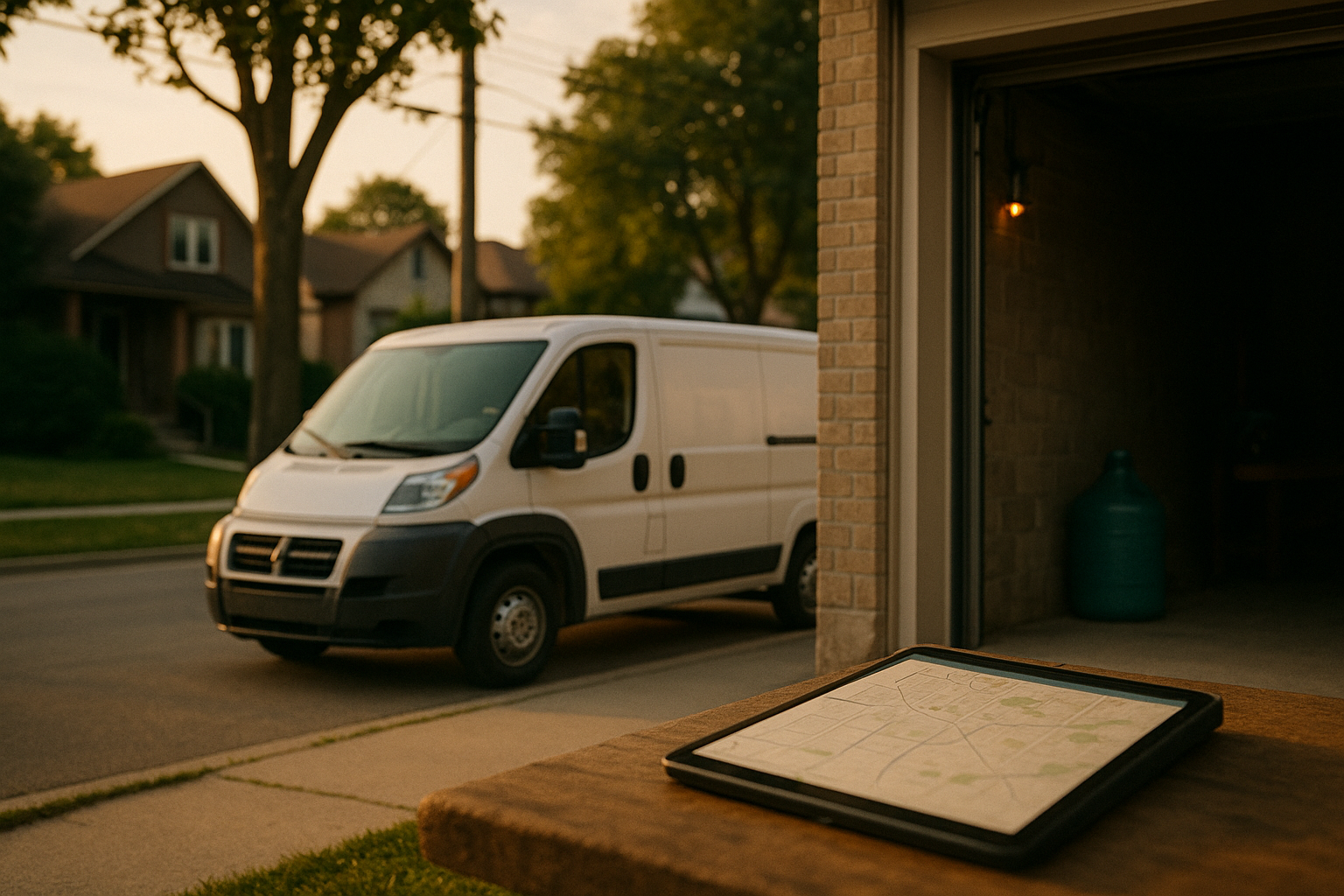
A plumber in Coquitlam finishes a water heater repair on a Tuesday afternoon. He fills out the invoice: job code, parts cost, labour time. Done. He leaves.
What he didn't capture: the homeowner mentioned the furnace sounds weird, the basement flooded two years ago, and they're planning a bathroom reno in spring. Three separate revenue opportunities, gone.
This happens thousands of times a month across trade businesses. Your technicians are trained to do the work well. Nobody trained them to listen for the next job.
The Data You're Already Collecting (And the Data You're Not)
Every service call produces information. Your team knows:
- What broke
- What they fixed
- What it cost
- How long it took
But they're not capturing:
- When the equipment was installed
- What the customer complained about (beyond the immediate problem)
- Whether the customer asked about preventive service
- Whether there are other systems in the home that might need attention soon
- How the customer prefers to be contacted
- Whether they're a renter or owner (affects upsell timing)
A $1.2M HVAC business in Burnaby might close 400 jobs a year. If half those jobs have a follow-up opportunity (seasonal maintenance, filter subscription, duct cleaning, system upgrade planning) and you're only capturing and acting on 10% of them, you're leaving $40K–$80K on the table annually.
Why Technicians Skip This Step
It's not laziness. It's friction.
Your tech finishes the job. He's tired. The next appointment is 20 minutes away. He pulls out a clipboard or his phone and thinks, "I need to write down... what, exactly?"
Without a structured form, he guesses. He writes vague notes. Or he skips it.
With a structured form—even a simple one on a mobile device—he knows exactly what to capture. Checkbox. Dropdown. One-sentence field. Done in 90 seconds.
What to Capture (And How)
Here's what matters:
Equipment & Property Details
- Year the main system was installed
- Last service date (if customer knows)
- Any visible issues (rust, leaks, odd sounds)
- System brand and model (for parts inventory planning)
Customer Signals
- Did they ask about maintenance plans?
- Did they mention plans to upgrade, renovate, or sell?
- Any complaints about comfort, efficiency, or noise?
- Do they have other systems we service (furnace + AC, plumbing + water heater)?
Preference & Contact
- Preferred contact method (text, call, email)
- Best time to reach them
- Whether they're interested in seasonal reminders
None of this requires a tech to become a salesman. It's just listening and checking boxes.
The Multiplier Effect
Once you have this data, your follow-up becomes precise.
Instead of: "Hey, time for your annual furnace check?" (generic, ignored)
You send: "Hi Sarah, we serviced your furnace in March 2023. Spring's a good time to check your AC before it gets hot. Want us to swing by this month?" (specific, timely, relevant)
Response rates jump. Booking rates jump. Revenue per customer jumps.
A roofing company in Surrey that captures "customer mentioned gutter damage" during a shingle repair can send a gutter quote two weeks later when the owner is thinking about it—instead of hoping they remember to call.
How to Start
Don't overengineer this. Start with five fields:
1. Equipment installation year 2. Last service date 3. One thing the customer mentioned wanting done (select from a list: "maintenance plan," "upgrade," "other systems," "none") 4. Preferred contact method 5. Any urgent notes
Add it to your mobile job form. Train your team in a 10-minute huddle. Review one week of captures to see what's working.
Then expand based on what you learn.
The Competitive Edge
Your competitor sends generic "time for maintenance" emails. You send timely, specific follow-ups because you actually listened during the visit.
Your competitor has no idea when a customer's system was installed. You know, and you can time your upgrade pitch for year 12 or 15—when replacement is realistic.
Your competitor hopes technicians remember to mention the second job. You have it documented, assigned, and scheduled.
Capturing the right data at the point of service isn't complicated. But it's the difference between a one-time transaction and a multi-year customer relationship.